Quzhou to host traditional ceremony to honor solar term culture
The Start of Spring, or li chun, the first of the traditional 24 solar terms in the Chinese calendar, marks the beginning of spring, bringing a promise of renewal.
Quzhou in Zhejiang province will host a grand cultural event in Kecheng district to welcome this year's Start of Spring, as a celebration marking the 10th anniversary of the inclusion of China's 24 solar terms in UNESCO's Representative List of the Intangible Cultural Heritage of Humanity.
The event, coinciding with the arrival of this year's Start of Spring on Feb 4, will bring together members of the Twenty-four Solar Terms Protection and Inheritance Alliance to discuss a decade of preservation efforts and mull plans for the future.
In Kecheng, the Start of Spring is more than just a date on the calendar; it is a vibrant folk festival underpinned by the "Jiuhua's Start of Spring Ceremony", a traditional ceremony rooted in the traditions of Miaoyuan village in Jiuhua township.

A traditional ritual of "Jiuhua's Start of Spring Ceremony". [Photo/WeChat account: kechengfabu]
Villagers gather annually at the Wutong Ancestral Temple and celebrate the arrival of spring with traditional rituals, including whipping cattle, which symbolizes the start of spring plowing, and worshipping Goumang, the God of Spring in ancient Chinese mythology, praying for favorable weather and abundant harvests.
Quzhou's agricultural heritage and rich cultural history have fostered unique traditions around the Start of Spring. These customs have been passed down through generations, reflecting a deep respect for nature and life.
Back in 2016, China's 24 solar terms, including representative folk activities like "Jiuhua's Start of Spring Ceremony", were officially added to UNESCO's Intangible Cultural Heritage list.
 City brand logo - fist-and-palm salute
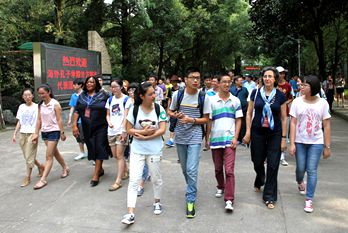 Confucianism on campus
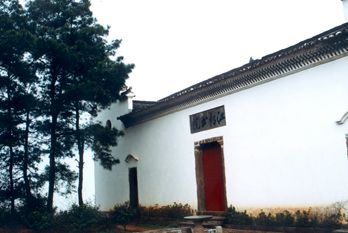 The culture of the academy